
Cosmetic vs. Functional Damage
Insurance decisions may treat appearance-only damage differently from damage that affects how the roof performs. The roof’s condition, roofing system, and policy language should be considered together.
STORM DAMAGE • DENIED • DELAYED • UNDERPAID ROOF CLAIMS
After a storm or other covered event damages a roof, homeowners often have questions about what happened, what the estimate includes, and whether repair or replacement is appropriate.
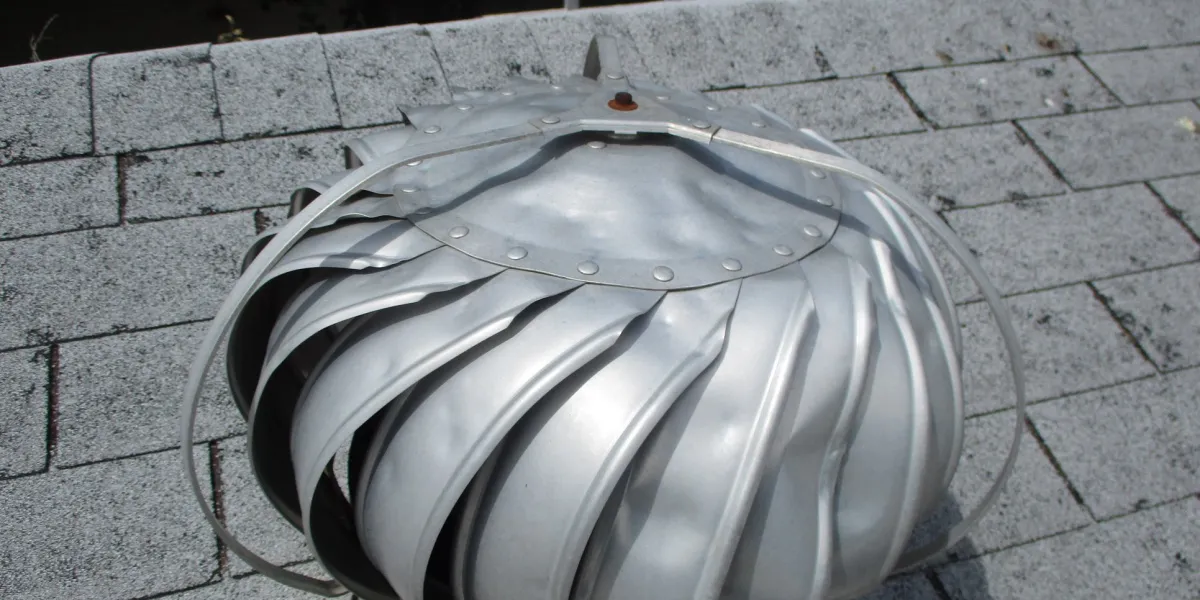
Roof damage may include hail marks, lifted or missing shingles, damaged flashing or vents, and leaks. Water may also affect ceilings, walls, insulation, and other areas inside the home.
Homeowners often want to know whether all damage was included, whether only part of the roof can be repaired, and whether new materials will work with the existing roof. Not every roof needs replacement; the right approach depends on the damage, roof condition, and policy.
We’ll review your claim information, explain what it means, answer your questions, and help you understand your options before accepting the claim decision.
UNDERSTANDING ROOF CLAIMS
Every roof claim is different. The type of damage, your insurance policy, repairability, and the available evidence can all affect whether a roof is repaired, partially replaced, or fully replaced.
Insurance decisions may treat appearance-only damage differently from damage that affects how the roof performs. The roof’s condition, roofing system, and policy language should be considered together.
One damaged shingle does not decide whether a roof should be repaired or replaced. The answer depends on surrounding materials, product availability, matching, and whether a durable repair can be completed.
Wind damage is not always limited to missing shingles. Lifted, creased, loosened, or torn materials may be present beyond the most visible area and affect the repair plan.
A leak after a storm does not automatically establish coverage or identify its cause. Finding where the water entered and what it damaged provides context for evaluating the claim.
Asphalt shingles, tile, metal panels, vents, flashing, and skylights respond differently to hail. An evaluation should consider the material, damage pattern, and effect on roof performance.
Commercial roofs use systems such as TPO, modified bitumen, built-up roofing, metal panels, and coatings. Their design requires different inspection methods, repair standards, and policy evaluation than a residential roof.
STILL HAVE QUESTIONS?
Every roof claim is different. The policy, the damage, the repair options, and the available evidence all matter. If you would like another set of eyes on your claim, we'll review the information you have, answer your questions, and explain what we see.
A member of our team will review the information you submitted and contact you if anything else is needed.
Prefer to talk now? Call (346) 845-0880.
COMMON ROOF CLAIM ISSUES
Roof claim disputes do not always concern whether damage exists. They often involve reasonable questions about policy language, repairability, scope, or whether storm effects can be distinguished from age-related deterioration.
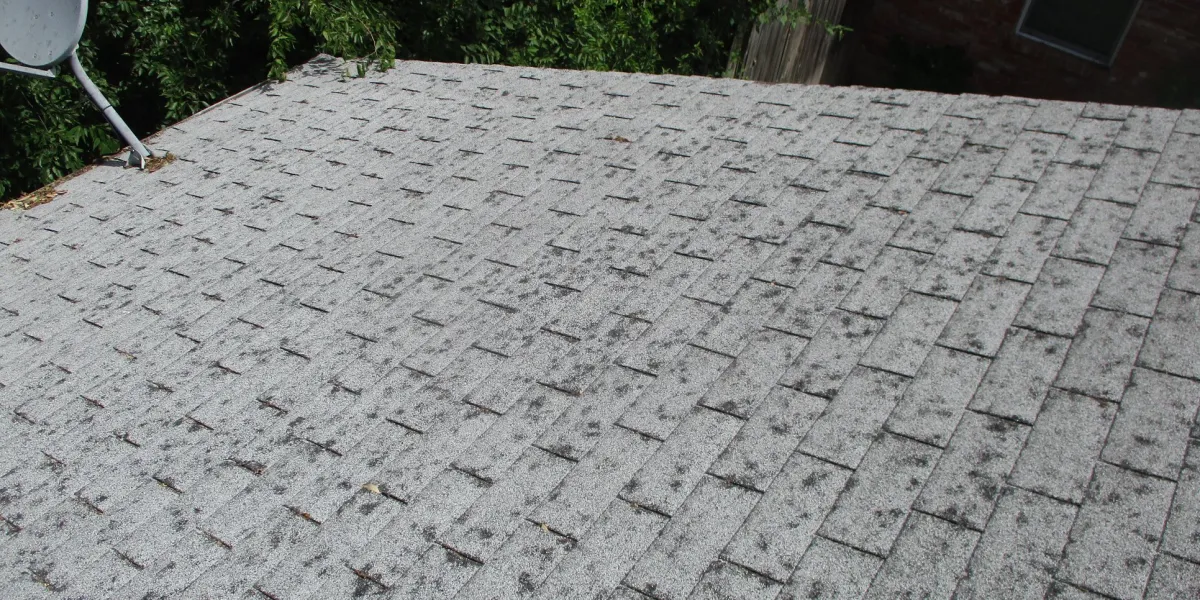
Some policies treat cosmetic damage differently from conditions that affect performance. Visible hail impacts do not always show whether function has changed, which can lead to different classifications.
An estimate may include only a few shingles or one slope. Questions arise over material matching, product availability, shingle condition, seal integrity, and whether a durable repair is possible.
Age, weathering, prior repairs, or normal deterioration may exist before a storm. Disagreement centers on whether the timing, location, and pattern support separating recent storm effects from existing conditions.
An estimate may include selected shingles, accessories, or isolated work without addressing other components. The dispute concerns whether the proposed scope accounts for all covered damage.
NOT SURE WHETHER YOUR ROOF CLAIM WAS HANDLED CORRECTLY?
You don't have to decide on your own whether the insurance company's assessment, repair recommendation, or estimate fully addresses your roof damage.
We'll review the information you have available—including photographs, estimates, engineering reports, inspection findings, denial letters, or other claim documents—answer your questions, explain what we see, and let you know whether additional review may be worthwhile.
A member of our team will review the information you submitted and contact you if anything else is needed.
Prefer to talk now? Call (346) 845-0880.
A MAJOR ROOF CLAIM DISPUTE
One of the most common disagreements in roof claims involves whether observed hail damage is considered cosmetic or functional. The answer often depends on policy language, the roofing system involved, and the nature of the observed damage.
Functional damage may involve exposed reinforcement, reduced water-shedding performance, shortened service life, or conditions that affect repairability. These questions should be considered in the context of the complete roofing system.
At the same time, visible hail marks do not automatically establish functional damage. Evaluating a roof often requires considering the extent of damage, roof age, repairability, policy language, and the roof as a complete system.
COSMETIC OR FUNCTIONAL?
Whether damage is cosmetic or functional depends on the roofing system, policy language, and available evidence. We'll explain how those factors were applied and give you an honest, objective opinion—even if further review is unlikely to change the outcome.
A member of our team will review the information you submitted and contact you if anything else is needed.
Prefer to talk now? Call (346) 845-0880.
OUR REVIEW PROCESS
Every roof claim is different. Our review considers the insurance policy, the available documentation, the observed roof conditions, and whether the proposed repair or payment reasonably addresses the covered damage.
We review the insurance policy, estimate, payment or denial letters, inspection photographs, engineering reports, contractor information, and other claim documents to understand how the claim was evaluated.
We consider roof photographs, storm information, roof condition, observed damage, and the available documentation together to understand what the evidence shows.
We consider whether repairs appear practical, whether the proposed scope addresses the observed damage, and whether the suggested repair methods appear reasonable for the roofing system.
We'll explain what we found, answer your questions, and discuss whether additional review or action appears appropriate based on the available information.
USING THE COMPLETE CLAIM FILE
Your roof claim should be evaluated as a complete file—not through one estimate or opinion alone. We'll review the available information, explain the findings in plain English, and answer your questions.
If another review is unlikely to help, we'll tell you directly.
A member of our team will review the information you submitted and contact you if anything else is needed.
Prefer to talk now? Call (346) 845-0880.
BUILDING THE CLAIM FILE
Most roof claims are decided by the quality of the available evidence. Photographs, policy language, inspection findings, weather information, and repair documentation often work together to explain what happened and how the claim should be evaluated.
BEYOND A SINGLE ESTIMATE
Insurance estimates, inspection photographs, policy language, engineering reports, and contractor recommendations should be evaluated together. Looking at a single document rarely tells the complete story.
We'll review the information you already have, explain it in plain English, answer your questions, and let you know honestly whether additional review appears worthwhile.
If we don't think additional review will help, we'll tell you.
A member of our team will review the information you submitted and contact you if anything else is needed.
Prefer to talk now? Call (346) 845-0880.
WHEN TO GET ANOTHER OPINION
It may be worth getting another opinion if any of these situations apply.
If even one of these situations sounds familiar, we'd be happy to review your claim.
A member of our team will review the information you submitted and contact you if anything else is needed.
Prefer to talk now? Call (346) 845-0880.
WHY PROPERTY OWNERS CHOOSE US
Our founder previously worked as an insurance company adjuster and understands how residential property claims are investigated, documented, and evaluated.
We represent Texas property owners—not insurance companies—and help clients better understand their policy, documentation, and available claim options.
We organize photographs, estimates, engineering reports, policy information, and supporting documentation into a clear, professional claim presentation.
If we do not recover additional insurance benefits for your covered claim, you do not owe a professional fee.
Our goal isn't simply to help you pursue a claim.
Our goal is to help you understand your options so you can make an informed decision.
Whether you hire us or not, we want you to understand your claim.
Request My Free Claim ReviewNo obligation • No recovery, no fee
CLIENT REVIEWS
Property owners often tell us they appreciated having someone explain the claim process clearly, answer their questions honestly, and help them understand their options.
After the wind damage, we were unsure what the carrier's estimate actually covered. Fair Claims walked us through the documents and answered every question. Their attention to detail gave us confidence in the next steps.
Professional, responsive, and straightforward from the first conversation. They helped us understand the hail damage claim without adding pressure.
Every claim is different, but our goal is always the same—help property owners understand their options and make informed decisions.
ROOF CLAIM FAQ
Every roof damage claim—and every insurance policy—is different. These are some of the questions Texas property owners ask us most often.
Some policies cover roof damage caused by wind, hail, falling objects, or other covered events. Coverage depends on the cause of loss, policy language, endorsements, exclusions, roof condition, evidence, and applicable deadlines.
We can review the denial letter, policy, estimate, inspection photographs, reports, and other available evidence. We’ll explain what we find and whether we believe additional claim work may be worthwhile without promising coverage or an outcome.
No. Many roof claims are handled successfully without one. A public adjuster may be helpful when coverage is disputed, the payment appears insufficient, damage was called cosmetic, the repair position is uncertain, or you want an experienced second opinion before making decisions.
Public adjusters generally work for a percentage of the insurance benefits they recover for a claim, rather than requiring an upfront fee. Our fee is explained in a written agreement before you decide whether to hire us. If we don’t recover additional insurance benefits, you don’t owe us a fee.
We discuss the loss, review the documents and photographs you have available, identify disputed issues or unanswered questions, and explain honestly whether we believe our services may help. There is no obligation to hire us.
Cosmetic damage generally changes appearance without affecting performance, while functional damage affects how a roof material performs, sheds water, remains serviceable, or can be repaired. The distinction depends on the roofing system, observed conditions, cause, evidence, and policy language.
Not necessarily. A visible puncture or fracture can be important evidence, but the evaluation may also consider the asphalt coating, binder, reinforcement, seals, water-shedding performance, service life, damage pattern, and repairability. Not every hail mark or area of granule displacement is functional damage.
Granules protect the asphalt coating, but granule loss can result from hail, aging, foot traffic, installation, or other causes. Its significance depends on cause, depth, distribution, exposed materials, roof condition, and related evidence. Granule loss is not automatically covered or automatically functional damage.
The exact endorsement or limitation should be reviewed with the rest of the policy and the documented roof conditions. Whether it applies depends on its language, the cause and character of the damage, and the available evidence; the label alone does not answer every coverage question.
A repair proposal can be evaluated for material availability, compatibility, roof condition, brittleness, seal integrity, access, surrounding damage, and whether the work can be completed durably without causing additional damage.
Repairability asks whether damaged roof materials can be removed and replaced successfully while preserving the surrounding system. It depends on the material, condition, age, installation, integration, available replacements, and the effect of the repair on nearby components.
Material availability and compatibility may affect the proposed repair. The discontinued product, available alternatives, roof configuration, repair requirements, policy language, and applicable standards should be evaluated together before drawing a conclusion.
The estimate can be compared with slope-specific photographs, collateral evidence, material conditions, repair access, accessories, integration, and other affected areas to identify disputed or omitted work that may require further review.
Policies and applicable rules may impose notice, documentation, suit-limitation, or other deadlines. Timing varies, so review the policy and claim correspondence promptly and seek legal advice when a legal deadline is in question.
Still Have Questions?
Every insurance claim is different. If you have questions about your coverage, estimate, denial, or next steps, we're happy to review your claim and help you understand your options.