
Structural Fire Damage
Fire can damage framing, roofing, walls, ceilings, insulation, electrical systems, plumbing, HVAC equipment, finishes, and other building components. Heat can weaken materials even where flames never made direct contact.
FIRE • SMOKE • SOOT DAMAGE INSURANCE CLAIMS
A house fire is overwhelming. Along with rebuilding your home, you may be dealing with smoke damage, soot contamination, damaged belongings, temporary housing, emergency mitigation, and a complicated insurance claim.
Fire claims often involve much more than repairing the structure. Smoke and odor remediation, cleaning versus replacement decisions, code upgrades, additional living expenses, and documenting damaged contents can all affect the value of a claim.
We’ll review the available claim information, answer your questions, explain what we see, and help you understand your options before deciding what to do next.
COMMON FIRE CLAIM DAMAGES
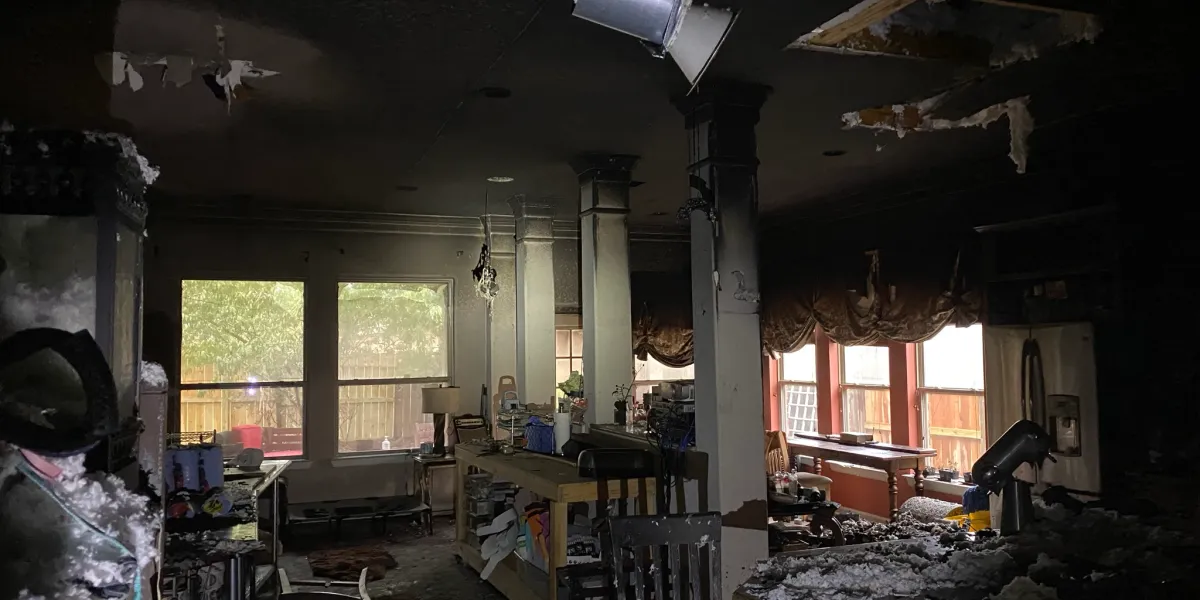
A fire loss often extends far beyond the visibly burned area. Heat, smoke, soot, water, demolition, and emergency response activities may affect the structure, personal property, building systems, and your ability to safely occupy the property.
Fire can damage framing, roofing, walls, ceilings, insulation, electrical systems, plumbing, HVAC equipment, finishes, and other building components. Heat can weaken materials even where flames never made direct contact.
Smoke and soot can travel into rooms, wall cavities, attics, HVAC systems, and concealed spaces that were not directly touched by flames. Different surfaces may require cleaning, sealing, testing, restoration, or replacement depending on the level of contamination.
Firefighting water, sprinkler discharge, emergency access, and demolition may create additional damage, often requiring water extraction, structural drying, remediation, repairs, and reconstruction.
Furniture, clothing, electronics, appliances, documents, artwork, and household contents can require cleaning, testing, restoration, valuation, or replacement, along with detailed inventory documentation for insurance purposes.
When the property cannot be safely occupied, covered benefits can include temporary housing, increased food costs, storage, transportation, pet boarding, and other covered living expenses while repairs are completed.
Commercial fire claims can involve building damage, business personal property, inventory, equipment, tenant improvements, extra expense, loss of income, and business interruption issues that can significantly affect operations.
QUESTIONS ABOUT YOUR FIRE CLAIM?
Most fire losses involve much more than the visibly burned area. Smoke, soot, water damage, damaged belongings, temporary housing, and other covered losses may all be part of the claim.
We'll review your available estimate, photographs, reports, and claim documents, answer your questions, and explain what we see so you can better understand your options.
A member of our team will review the information you submitted and contact you if anything else is needed.
Prefer to talk now? Call (346) 845-0880.
COMMON FIRE CLAIM ISSUES
Fire claims often involve questions about contamination, repair methods, valuation, scope, and policy benefits. These issues can affect how the loss is evaluated.
When an estimate focuses only on burned materials, smoke, soot, heat, water, and emergency-response damage elsewhere is sometimes overlooked. This is a common issue that a closer inspection and clear photographs can help resolve.
Cleaning might not fully address odor, contamination, appearance, or manufacturer requirements for every material. These decisions are common and become clearer through testing, material guidance, and careful review.
Smoke reaching HVAC systems, attics, wall cavities, or adjoining rooms does not always appear in the initial estimate. A detailed inspection and records of where it traveled usually help resolve this common concern.
The amount assigned to damaged belongings affects the contents payment, especially when age, condition, depreciation, or restoration costs are unclear. Inventories, receipts, photographs, and additional review generally help resolve this common valuation issue.
After a fire makes the property unsafe, uncertainty about comparable housing, covered costs, and the repair timeline affects available benefits. Receipts and policy review usually help resolve these common concerns.
Demolition, access, testing, code work, permits, or specialty trades sometimes get left out of an estimate, increasing restoration costs. Detailed estimates and supporting records generally help resolve these common omissions.
UNDERSTANDING YOUR FIRE CLAIM
A review of your estimate, photographs, reports, contents information, and policy documents can clarify what is included, what questions remain, and whether additional information may be helpful.
You don’t have to understand every detail of your claim before asking questions. Many homeowners simply want clarity before deciding what to do next.
A member of our team will review the information you submitted and contact you if anything else is needed.
Prefer to talk now? Call (346) 845-0880.
A MAJOR FIRE CLAIM ISSUE
Air movement, HVAC operation, pressure differences, open cavities, and porous substrates carry smoke and soot beyond the burn area. Residue can reach building systems and concealed spaces untouched by flames. Visible damage does not reveal the full affected area.
Exposure varies throughout the structure, so one treatment is not appropriate for every surface. Cleaning or sealing works in some areas; others need specialized treatment or removal. Each decision affects the broader repair plan.
Treatment decisions should account for residue level, odor, staining, test results, substrate condition, manufacturer guidance, and the proposed restoration method. Evaluating these factors together helps determine whether an item should be cleaned, sealed, restored, or replaced.
QUESTIONS ABOUT SMOKE OR SOOT DAMAGE?
Questions about smoke and soot damage often involve both technical restoration issues and policy considerations.
We’ll review the available photographs, estimates, reports, cleaning recommendations, contents information, and policy documents to help you better understand how the claim was evaluated.
A member of our team will review the information you submitted and contact you if anything else is needed.
Prefer to talk now? Call (346) 845-0880.
OUR REVIEW PROCESS
Each fire claim presents distinct conditions, coverage, and loss details. The review method evaluates policy provisions, claim materials, documented damage, technical findings, and the proposed repair scope in sequence.
Review policy provisions, carrier estimates, correspondence, loss notices, mitigation files, contents inventories, and technical reports to establish the claim history and evaluation basis.
Analyze structural, smoke, soot, water, building-system, and contents impacts to establish the documented extent and characteristics of the loss.
Compare the established loss with proposed restoration methods, repair scope, valuations, code allowances, contents treatment, and living-expense benefits to determine whether covered damage is addressed.
Explain the conclusions, identify unresolved factual or policy issues, answer questions, and clarify the available options based on the completed review.
READY FOR A SECOND OPINION?
We’ll review the information you have available, explain our findings in plain English, and let you know whether we believe additional insurance benefits may still be available.
If we don’t believe additional review is worthwhile, we’ll tell you that too.
A member of our team will review the information you submitted and contact you if anything else is needed.
Prefer to talk now? Call (346) 845-0880.
BUILDING THE CLAIM FILE
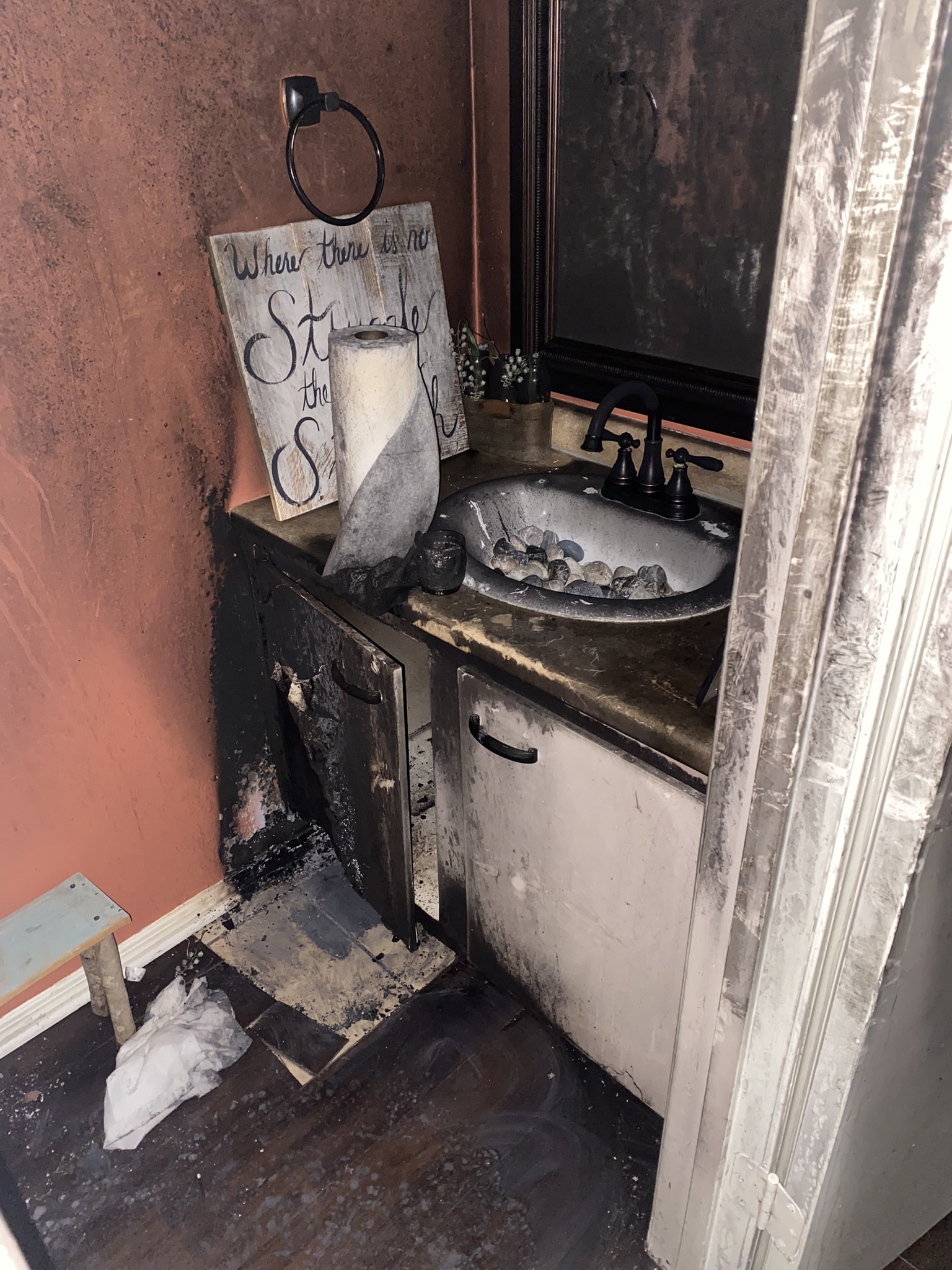
The claim file helps establish what occurred, the extent of the loss, how it was assessed, and which benefits may apply. Visible conditions are only one part of the analysis.
QUESTIONS ABOUT YOUR FIRE CLAIM FILE?
Insurance decisions should consider the complete claim file—not just one estimate, photograph, or report. Reviewing the materials together shows how the loss was assessed.
We’ll explain what the documents mean, answer your questions, identify missing information, and give you our honest opinion.
If another review is unlikely to affect the outcome, we’ll say so.
A member of our team will review the information you submitted and contact you if anything else is needed.
Prefer to talk now? Call (346) 845-0880.
WHEN TO GET ANOTHER OPINION
Fire claims often raise technical questions about scope, pricing, coverage, repairability, and code requirements. Smoke damage, contents, and restoration can add complexity.
Homeowners sometimes request another review to understand whether the claim documentation supports the insurance decision.
Sometimes another review provides clarity. Understanding whether the documentation supports the insurance decision helps you make an informed choice.
A member of our team will review the information you submitted and contact you if anything else is needed.
Prefer to talk now? Call (346) 845-0880.
WHY PROPERTY OWNERS CHOOSE US
Our founder previously evaluated residential property claims for an insurance company. That experience helps identify questions, documentation, and claim issues that may deserve a closer look.
We represent Texas property owners—not insurance companies—and help explain coverage, documentation, and available claim options.
We organize photographs, estimates, policy documents, technical reports, and supporting records into a clear claim presentation. A well-organized claim file makes the documentation easier to review and understand.
You do not pay a professional fee unless additional insurance benefits are recovered for your covered claim.
Our goal is to help you understand your options—not pressure you into a decision.
Whether you hire us or not, we want you to understand your claim.
Request My Free Claim ReviewNo obligation • No recovery, no fee
CLIENT REVIEWS
Every insurance claim is different. Homeowners consistently tell us they appreciated having someone explain the process, answer their questions, and help them understand their options.
The team took time to explain the fire claim process and helped us understand what documentation was missing. Communication was clear throughout the review. We felt informed and supported at every step.
Our goal is simple: help property owners understand their claim so they can make informed decisions.
Additional client reviews are available on Google.
FIRE CLAIM FAQ
Every fire damage claim is different, but homeowners often have many of the same questions. Here are answers to the topics we discuss most often during claim reviews.
Many homeowners policies cover fire damage caused by a covered event. Depending on the policy, covered losses may include structural repairs, smoke and soot remediation, damaged belongings, and temporary housing. Coverage depends on the cause, policy language, exclusions, supporting information, and applicable deadlines.
We can review the denial letter, policy, estimate, photographs, reports, claim communications, and other available evidence. We’ll explain what we find and whether additional documentation or claim review may be worthwhile without promising coverage or an outcome.
The estimate can be compared with photographs, measurements, contractor proposals, restoration recommendations, material requirements, smoke remediation, code considerations, and other supporting information. This review can help identify damaged areas or necessary work that may have been omitted.
We discuss the loss, review the documents and photographs you have available, identify disputed issues or unanswered questions, and explain honestly whether we believe our services may help. There is no obligation to hire us.
No. Many fire claims are handled successfully without one. A public adjuster may be helpful when coverage is disputed, the payment appears insufficient, smoke or contents damage was omitted, temporary housing benefits are questioned, or you want an experienced second opinion before making decisions.
Not always. Whether cleaning is appropriate depends on the material, type and extent of contamination, odor, staining, porosity, exposure, manufacturer guidance, available testing, and the proposed restoration method. Some materials may be restorable, while others may require sealing or replacement.
Damaged belongings are commonly valued using inventories, photographs, receipts, age, condition, comparable replacement items, and policy terms. Initial payments may reflect actual cash value, while some policies allow withheld depreciation after replacement. The policy and supporting information determine the valuation method and timing.
Some policies provide additional living expense or loss-of-use coverage when a covered fire makes the home uninhabitable. Benefits may include reasonable increases in housing, food, storage, transportation, and other necessary costs. Limits, duration, and required receipts depend on the policy and circumstances.
Property owners can generally seek estimates and recommendations from contractors they choose, though policy requirements, repair programs, contracts, licensing rules, and local law may affect the process. Review proposed agreements carefully and confirm responsibilities before authorizing permanent work.
Policies and applicable rules may impose notice, documentation, proof-of-loss, replacement-cost, suit-limitation, or other deadlines. Timing varies, so review the policy and claim correspondence promptly and seek legal advice when a legal deadline is in question.
STILL HAVE QUESTIONS?
Every insurance claim is different. If you have questions about your coverage, estimate, smoke damage, personal property, temporary housing, denial, or next steps, we’re happy to review your claim and help you understand your options.