
Claim Denied
The insurance company may conclude that the loss is excluded, not covered, caused by long-term conditions, or unsupported by the available evidence. The denial should be evaluated alongside the policy and complete claim record.
DENIED • DELAYED • UNDERPAID INSURANCE CLAIMS
A denied claim, low payment, partial denial, or delayed decision can leave you unsure whether the insurance company's position is complete—or what you should do next.
Claim decisions may depend on policy language, estimates, photographs, technical reports, repair recommendations, cause-of-loss findings, exclusions, depreciation, deductibles, and the documentation submitted during the claim.
We'll review the available claim information, answer your questions, explain what we see in plain English, and help you understand whether additional review may be worthwhile before you make important decisions.
COMMON CLAIM PROBLEMS
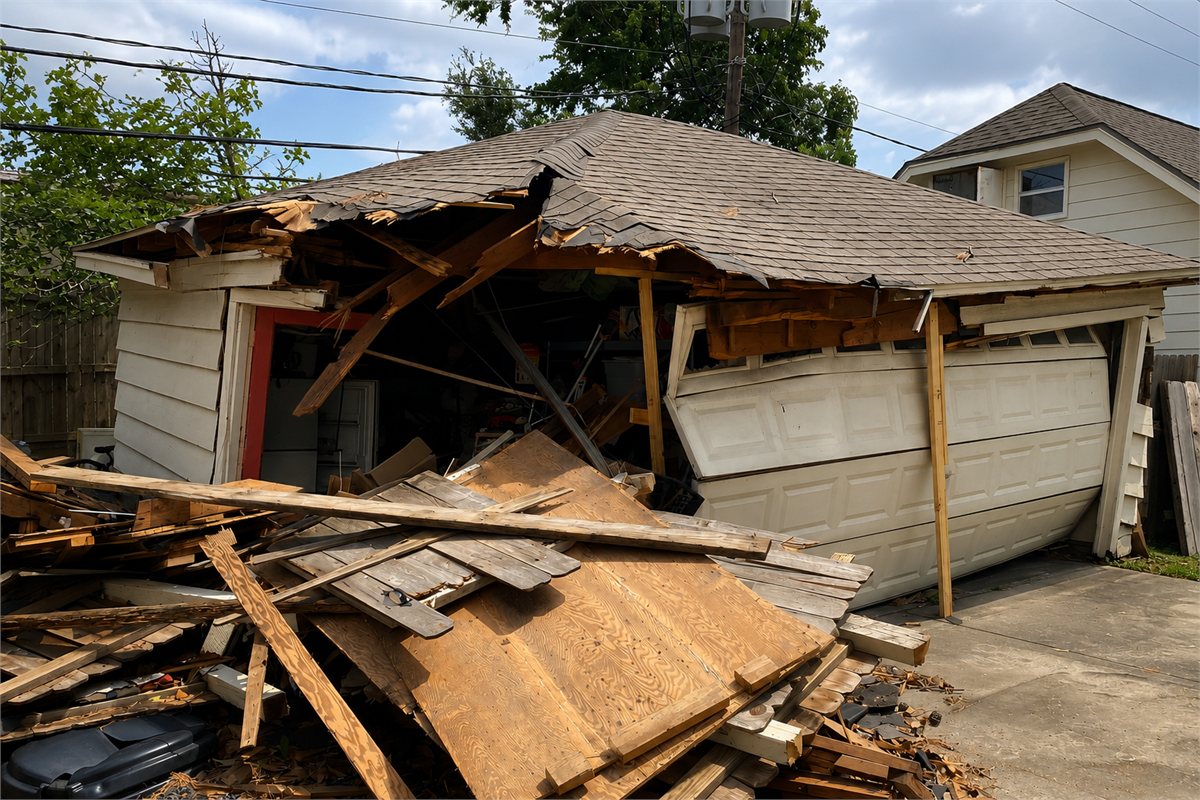
Not every claim problem looks the same. Some claims are denied completely, while others are partially paid, delayed, reduced, or settled without including all of the documented damage.
The insurance company may conclude that the loss is excluded, not covered, caused by long-term conditions, or unsupported by the available evidence. The denial should be evaluated alongside the policy and complete claim record.
The payment may not appear sufficient to complete the documented repairs. Questions may involve scope, pricing, depreciation, deductibles, omitted work, or the method used to evaluate the damage.
Part of the loss may be accepted while other rooms, materials, buildings, contents, or categories of damage are denied or excluded from the estimate.
The estimate may leave out damaged materials, required access, code-related work, adjoining areas, contents, temporary housing, equipment, or other parts of the documented loss.
The claim may remain unresolved while the carrier requests additional information, changes adjusters, waits for reports, or does not clearly explain what is still needed.
The carrier may determine that limited repairs are sufficient while the property owner or contractor has concerns about repairability, matching, durability, access, integration, or the complete repair scope.
DOES ONE OF THESE SITUATIONS SOUND FAMILIAR?
A denied or underpaid claim can involve policy language, estimates, reports, exclusions, and repair questions that are difficult to evaluate separately.
We'll review the information you have, answer your questions, and explain how the available documentation relates to the claim decision.
Requesting a review does not obligate you to hire us.
A member of our team will review the information you submitted and contact you if anything else is needed.
Prefer to talk now? Call (346) 845-0880.
COMMON AREAS OF DISAGREEMENT
Many claim disputes are not simply disagreements about whether damage exists. They involve questions about cause, coverage, scope, valuation, repair methods, documentation, or how policy provisions apply to the facts of the loss.
Questions may arise over whether the damage resulted from a sudden covered event, long-term deterioration, wear and tear, faulty installation, maintenance, or a combination of conditions.
The carrier's estimate may include only part of the affected property or may omit access, demolition, adjoining materials, specialty trades, code requirements, or work necessary to complete repairs.
A claim may turn on whether damaged materials can be restored or repaired, whether matching products remain available, and whether the proposed repair can be completed without causing additional damage.
Exclusions, endorsements, deductibles, sublimits, valuation provisions, cosmetic-damage language, water limitations, and other policy terms may affect the benefits available for the loss.
NOT SURE HOW THE CLAIM DECISION WAS REACHED?
You do not have to decide on your own whether the coverage position, estimate, repair recommendation, or valuation fully addresses the documented loss.
We'll review the available information, explain the decision in plain English, identify any remaining questions, and help you understand your options.
If the available information supports the decision and further review is unlikely to help, we'll tell you.
A member of our team will review the information you submitted and contact you if anything else is needed.
Prefer to talk now? Call (346) 845-0880.
UNDERSTANDING THE PAYMENT
A low payment does not always result from one missing line item. The difference may involve the repair scope, pricing, depreciation, deductible, valuation method, omitted materials, code requirements, or work the carrier believes is unnecessary.
The carrier's estimate, contractor's estimate, photographs, measurements, reports, invoices, policy provisions, and repair requirements should be considered together.
At the same time, a contractor's estimate is not automatically the correct measure of covered damage. The goal is to understand why the estimates differ and whether the complete claim record supports additional benefits.
QUESTIONS ABOUT THE INSURANCE PAYMENT?
Differences between an insurance estimate and a contractor's estimate may involve scope, pricing, repair methods, code work, material availability, or policy provisions.
We'll compare the available estimates and supporting information, explain where the differences come from, and help you understand whether additional review appears justified.
A member of our team will review the information you submitted and contact you if anything else is needed.
Prefer to talk now? Call (346) 845-0880.
UNDERSTANDING A DENIAL
A denial letter usually summarizes the insurance company's position, but it may not include every fact, photograph, report, policy provision, or communication considered during the investigation.
Reviewing a denial often means comparing the stated cause of loss, policy provisions, physical evidence, inspection findings, technical reports, and the information provided by the property owner.
A denial is not automatically incorrect, and another review does not guarantee a different outcome. The purpose is to determine whether the available documentation and policy language support the decision or leave important questions unanswered.
QUESTIONS ABOUT A DENIAL LETTER?
Denial letters, policy provisions, photographs, reports, estimates, and claim communications should be reviewed together. Looking at one document rarely explains the entire decision.
We'll help you understand the stated basis for the denial, what information appears to support it, and whether meaningful questions remain.
If we do not believe further review is likely to change the outcome, we'll tell you.
A member of our team will review the information you submitted and contact you if anything else is needed.
Prefer to talk now? Call (346) 845-0880.
OUR REVIEW PROCESS
Every claim is different. A structured review helps organize the policy, claim documents, evidence, estimates, reports, and carrier decisions into one understandable record.
Review the policy, estimates, payment or denial letters, photographs, reports, repair proposals, proof-of-loss documents, and important claim communications.
Determine what cause, exclusion, limitation, valuation method, repair position, or scope decision was used to deny or limit payment.
Compare the carrier's position with the available photographs, measurements, reports, estimates, physical findings, policy provisions, and other supporting information.
Explain what the available record shows, answer questions, identify unresolved issues, and help the property owner understand the available options.
READY TO APPLY THAT PROCESS TO YOUR CLAIM?
We'll review the information you already have, explain how the decision appears to have been reached, and help you understand whether the coverage position, scope, or payment deserves additional attention.
If further review is unlikely to benefit the claim, we'll tell you.
A member of our team will review the information you submitted and contact you if anything else is needed.
Prefer to talk now? Call (346) 845-0880.
BUILDING THE CLAIM FILE
A claim decision should be evaluated using the complete record—not one estimate, photograph, report, or letter. Organized documentation helps establish what occurred, what was damaged, how the loss was evaluated, and why payment was denied or limited.
QUESTIONS ABOUT THE CLAIM FILE?
Insurance decisions should be evaluated using the policy, estimates, photographs, reports, correspondence, repair information, and other available evidence together.
We'll review the information you already have, explain what it means, identify missing information where appropriate, and provide an honest opinion about whether additional review may help.
If the existing record supports the decision, we'll tell you.
A member of our team will review the information you submitted and contact you if anything else is needed.
Prefer to talk now? Call (346) 845-0880.
WHEN TO GET ANOTHER OPINION
Many property owners request another opinion because they want to understand whether the documentation supports the denial, payment, repair scope, or coverage decision.
Sometimes another review confirms the original decision. Sometimes it identifies questions that deserve additional attention. Either way, understanding the claim record helps you make an informed decision.
A member of our team will review the information you submitted and contact you if anything else is needed.
Prefer to talk now? Call (346) 845-0880.
WHY PROPERTY OWNERS CHOOSE US
Our founder previously evaluated property claims for an insurance company. That experience helps identify questions, supporting records, and claim issues that may deserve a closer look.
We represent Texas property owners—not insurance companies—and help explain coverage, documentation, and available claim options.
We organize policies, estimates, denial letters, reports, photographs, repair information, and supporting records into a clear claim presentation that explains the issues under review.
You do not pay a professional fee unless additional insurance benefits are recovered for your covered claim.
Our goal is to help you understand your options—not pressure you into a decision.
Whether you hire us or not, we want you to understand your claim.
Request My Free Claim ReviewNo obligation • No recovery, no fee
CLIENT REVIEWS
Every insurance claim is different, but property owners often tell us they appreciate clear explanations, honest answers, and help understanding their options.
Professional, responsive, and straightforward from the first conversation. They helped us understand the hail damage claim without adding pressure.
CLAIM DECISION FAQ
Every claim—and every insurance policy—is different. These are some of the questions Texas property owners ask most often when reviewing a claim decision.
A claim may be denied because of the reported cause, an exclusion or limitation, the condition of the property, missing information, or the insurer's interpretation of the available evidence. The stated reason should be reviewed with the policy and complete claim record.
Read the complete letter, note the policy provisions and deadlines it cites, and preserve the policy, photographs, estimates, reports, and communications. Comparing those materials can help clarify how the decision was reached and whether questions remain.
Compare the insurance estimate with the documented damage, repair requirements, contractor estimates, photographs, measurements, policy provisions, depreciation, and deductible. A difference in estimates does not by itself establish the covered amount, but it can identify issues that deserve review.
Yes. The accepted and denied portions can be reviewed with the policy, estimate, denial or payment letter, and supporting evidence. The goal is to understand why some parts were included while others were limited or excluded.
No. Some decisions are supported by the policy and available information. A public adjuster may be useful when important coverage, scope, valuation, repair, or documentation questions remain unresolved or you want an experienced second opinion.
Public adjusters generally work for a percentage of the insurance benefits they recover for a claim, rather than requiring an upfront fee. Our fee is explained in a written agreement before you decide whether to hire us. If we don’t recover additional insurance benefits, you don’t owe us a fee.
We discuss the loss, review the information you have, explain how the decision appears to have been reached, and identify unanswered questions. There is no obligation to hire us and no guarantee that further review will change the outcome.
Keep the policy, estimates, payment and denial letters, photographs, videos, reports, repair proposals, invoices, proof-of-loss forms, and important claim communications. Preserve damaged materials or samples when it is safe and practical.
Depending on the policy, claim history, and insurer's procedures, you may be able to submit additional evidence or request further consideration. Review the policy and correspondence first, follow stated requirements, and keep copies of everything submitted.
Policies and applicable law may impose notice, proof-of-loss, replacement-cost, suit-limitation, or other deadlines. Timing depends on the policy, loss facts, claim history, and applicable law, so review the policy and correspondence promptly and seek legal advice when a legal deadline is in question.
STILL HAVE QUESTIONS?
Every insurance claim is different. If you have questions about a denial, partial denial, low payment, delayed decision, repair scope, estimate, or next step, we're happy to review the available claim information and help you understand your options.